Nobody mentioned this part.
Burnout wasn't the whole story. Something else was quietly rewriting it too.
- Haley O'Brien
- September 2026
- 4 min
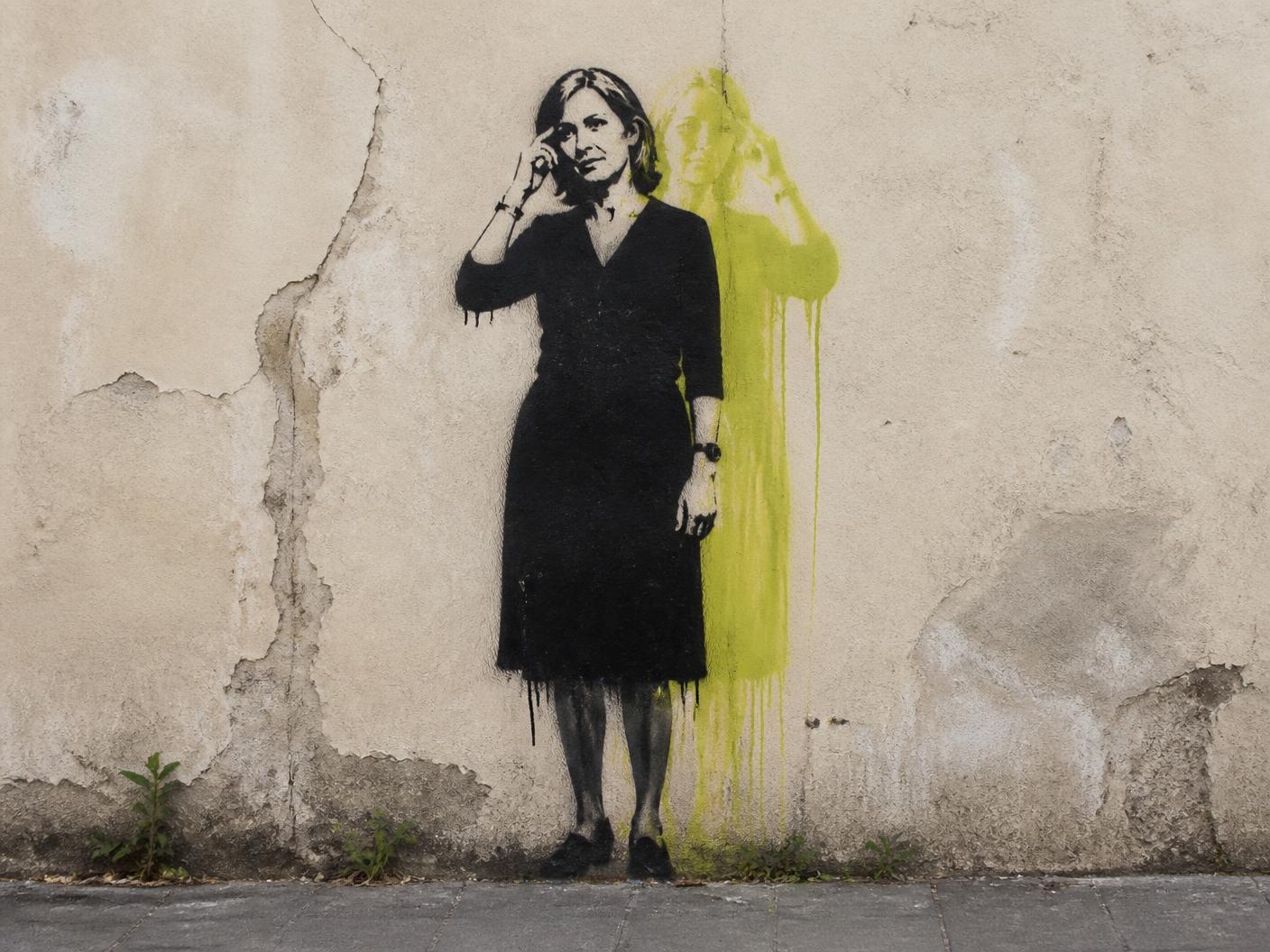
Somewhere in my 40s, I started to wonder if I was losing my mind. Not dramatically. Just — quietly. Words I knew perfectly well would vanish mid-sentence. I'd wake up at 4am for no reason and lie there, wired and exhausted at the same time. Things that used to roll off me didn't anymore.
I put it all down to burnout. And some of it was. But not all of it.
Nobody had mentioned the other part.
Perimenopause doesn't arrive with an announcement. It arrives disguised as everything else — as stress, as getting older, as "just a bad few months." The symptoms overlap with burnout almost exactly: the fatigue, the fog, the flatness, the sudden inability to cope with things that never used to touch you. So you treat it like burnout. Sometimes that helps. Sometimes it barely scratches the surface, because there's a second thing happening underneath the first one, and nobody told you to look for it.
I'm not a doctor, and this isn't medical advice — if any of this sounds familiar, your GP is the right first call, not me. But I can tell you what I wish someone had told me: if you're in your 40s and the exhaustion doesn't lift no matter what you strip out of your calendar, it's worth asking whether burnout is the whole story, or just the part you had a name for.
Both things can be true. You can be genuinely burned out and genuinely going through a hormonal shift nobody prepared you for.
Untangling which is which isn't something you have to do alone, or get perfectly right before you talk to someone.
That's the conversation I'd have with you, if you wanted to have it.